I was around 10 years old when I became the victim of a crime. A few days earlier I had been given a lime-green water gun as gift. I wasn't allowed to spray anything or anyone in the apartment, so I was told to use it only at the park. The park was right beneath the building were I lived, so one day I went there to use the water gun for the first time.
After only a few minutes of using my water gun to spray some bushes near the building, I sensed trouble coming my way. A gang of five boys approached and encircled me. There were a little older than I was and their ragged clothes and filth made them intimidating.
"Can I see your gun?" asked one of them.
"You can see it well from there," I said.
I noticed the circle tightening and the faces becoming more menacing.
"I just want to see it," he said.
Although I was used to fighting bullies at school, I was outnumbered this time. I handed the water gun to the kid. He looked at it for a few seconds and then, in a flash, they all took off. I chased them briefly, but they crossed a very dangerous intersection, one that I was prohibited from crossing. Still, I felt really angry so I grabbed a rock I found nearby and threw in their direction. I hit the water gun thief in the ankle, and although I had lost my gun forever, I felt a bit vindicated.
Monday, November 26, 2012

Tuesday, November 20, 2012
The Good Night
There's no Thanksgiving celebration in Cuba, which would make sense since there were no Pilgrims. The original Cuban natives were almost completely annihilated by the Spanish colonialists. But since the holidays are coming up, I'll write about another celebration, and that is Christmas Eve, or Noche Buena. Noche Buena translates to "The Good Night," and it sure is good.
First, I must clarify that Christmas was not recognized as a holiday by the Castro regime until the year 1998. This didn't stop people from celebrating in their own homes, though. In my house, we owned a small Christmas tree. It was scantily decorated with often faulty lights and with empty boxes wrapped up to look like presents. And of course, there was always a nativity scene decoration.
The day before Christmas, or Noche Buena, is when the real party begins in a Cuban home. One of the main traditions is having roasted pork loin. I remember once when my grandfather stabbed a pig in the heart and the creature started squealing and running around until it dropped dead. I don't remember if I felt sad or not, but I do remember enjoying the food later. There's always rice and black beans accompanying the meat, as well as salad and yuca (cassava). There's usually beer for the adults, and if the kids are lucky, a cheap imitation of Koo-laid. Every once in a great while a Pepsi bottle would pop up, but that was a rarity.
Pork was not always easy to find, especially during Cuba's "special period," but families always managed to make their Noche Buena a good night.
First, I must clarify that Christmas was not recognized as a holiday by the Castro regime until the year 1998. This didn't stop people from celebrating in their own homes, though. In my house, we owned a small Christmas tree. It was scantily decorated with often faulty lights and with empty boxes wrapped up to look like presents. And of course, there was always a nativity scene decoration.
The day before Christmas, or Noche Buena, is when the real party begins in a Cuban home. One of the main traditions is having roasted pork loin. I remember once when my grandfather stabbed a pig in the heart and the creature started squealing and running around until it dropped dead. I don't remember if I felt sad or not, but I do remember enjoying the food later. There's always rice and black beans accompanying the meat, as well as salad and yuca (cassava). There's usually beer for the adults, and if the kids are lucky, a cheap imitation of Koo-laid. Every once in a great while a Pepsi bottle would pop up, but that was a rarity.
Pork was not always easy to find, especially during Cuba's "special period," but families always managed to make their Noche Buena a good night.
Wednesday, November 14, 2012
In the Darkness
After the Soviet bloc fell, Cuba lost its main source of oil and other imports. This drastic elimination of the main source of economic influx plunged the island of Cuba into what the government called "the special period." There was nothing special about it. What it meant was scarcity of food, water and other basic supplies, as well as power outages.
If you think New York had it bad with power outages lasting a few weeks, imagine going months with only two hours of electricity. Then imagine years of daily outages lasting more than 16 hours every single day. That's what happened in Cuba in the mid 90s.
I was a young boy when this happened, but I clearly remember those interminable nights when the entire city of Havana was covered in darkness. I lived on the 10th floor of an apartment building, so I would look out in the distance and see the darkness all around the city. On some days when the lights would be turned on before midnight, one could hear claps and cheering all around the building, and I'm sure all around Havana. Having electricity was a luxury then.
Looking back now, I can see this darkness was the perfect metaphor for the oppressive regime.
If you think New York had it bad with power outages lasting a few weeks, imagine going months with only two hours of electricity. Then imagine years of daily outages lasting more than 16 hours every single day. That's what happened in Cuba in the mid 90s.
I was a young boy when this happened, but I clearly remember those interminable nights when the entire city of Havana was covered in darkness. I lived on the 10th floor of an apartment building, so I would look out in the distance and see the darkness all around the city. On some days when the lights would be turned on before midnight, one could hear claps and cheering all around the building, and I'm sure all around Havana. Having electricity was a luxury then.
Looking back now, I can see this darkness was the perfect metaphor for the oppressive regime.
Thursday, November 8, 2012
Being Catholic in Cuba, part 2
My cousin Yinet and I were selected to represent Joseph and Mary for a Christmas show at church. All we had to was carry a ceramic baby Jesus to the makeshift manger and stand there. The baby Jesus doll didn't look heavy, but when my underweight and malnourished hands got a hold of it, I almost dropped it. I didn't know much theology then, I was only 7 or 8, but I figured that dropping baby Jesus wasn't the best way to make a good impression.
All along while this was going on, many of the opposition leaders were meeting in the church. Cuba's opposition to the totalitarian communist regime has grown in the past couple of years, but back then, in the early 90s, it was nearly unheard of. Regardless, they were at the church, many of the important leaders sat at the front. Meanwhile, in the middle of the procession, about seven or eight guys came in through the church doors and just stood at the back. Although they weren't dressed as police officers, everyone at church knew who they were. The way the stood, their posture, and even their intense gaze spoke more than an uniform.
For whatever revolutionary reason they gave, the confetti was prohibited. I don't know in what way confetti can be harmful to the Cuban Revolution, but apparently those festive pieces of paper had some subversive value.
After my exhausted and trembling hands were relaxed and the event was over, I witnessed as those same government thugs pushed those opposition leaders into cars. The members of the opposition had done nothing wrong. There was no violence from their part. All they did was shout "Freedom!" as they were taken away in cars to be imprisoned for the simple crime of speaking their minds. At that moment, I remember wishing that baby Jesus would be with them.
All along while this was going on, many of the opposition leaders were meeting in the church. Cuba's opposition to the totalitarian communist regime has grown in the past couple of years, but back then, in the early 90s, it was nearly unheard of. Regardless, they were at the church, many of the important leaders sat at the front. Meanwhile, in the middle of the procession, about seven or eight guys came in through the church doors and just stood at the back. Although they weren't dressed as police officers, everyone at church knew who they were. The way the stood, their posture, and even their intense gaze spoke more than an uniform.
For whatever revolutionary reason they gave, the confetti was prohibited. I don't know in what way confetti can be harmful to the Cuban Revolution, but apparently those festive pieces of paper had some subversive value.
After my exhausted and trembling hands were relaxed and the event was over, I witnessed as those same government thugs pushed those opposition leaders into cars. The members of the opposition had done nothing wrong. There was no violence from their part. All they did was shout "Freedom!" as they were taken away in cars to be imprisoned for the simple crime of speaking their minds. At that moment, I remember wishing that baby Jesus would be with them.
Wednesday, October 31, 2012
Cannons
Part 2 of the previous blog post coming soon, but before that, read this short (short) story I wrote for my Beginning Fiction Writing class. Although it is a story, it is closely based on a friend's experience when leaving Cuba.
----------
The swamp kept trying to swallow our bodies, but this wasn't the kind of freedom we were looking for. When we pulled Miguel out of one of those infernal sinking holes, his left shoe was gone, drowned, forgotten, like many of our dreams and hopes until six months ago when Fernando told us the plan.
Many of us worked on the same fishing boat as Fernando, but his ingenious plan never crossed our minds. Every day we longingly stared at the horizon, daydreaming and imagining what that hamburger on the clandestine American channel tasted like. Freedom, we hoped, but we never thought about actually leaving our lives as fishermen. The plan was to kidnap the captain at knifepoint, since the government had outlawed guns a long time ago, and to gather our families by the shore near the military base. A couple of us would take care of the mutiny, while the rest of us would collect the families and lead them to the beach.
We were close to the beach when we heard a sound that seemed to have come from Thor himself. "Cannons," someone in the back of the group whispered. The military base used this field for their ballistics exercises, which meant that at any moment our heads could be blown up by a cannon ball. For a moment it felt like we had travelled back in time and the Spanish were ready to ransack our island. In a way, they were doing that even today, when they came and spent their euros in places where we the natives weren't allowed to go in. Fortunately, the base was so far away that we would be invisible in the middle of the night, but of course we weren't immune to the constant and loud artillery. Despite this startling event, we kept the same pace and reached the beach at the accorded time. The children in the group were tired and dehydrated, but we kept promising milk, juice and those hamburgers they saw on TV. All that would be ours in a few hours.
Waiting by the beach was definitely the hardest part, since we were more exposed to the military and their cannons and because we were so close to the ocean that the reality of our actions sunk in. By kidnapping a government ship, we were going to be declared as terrorists, but our consciences were clear because we knew that the people, the oppressed millions, would be on our side. Many had already left the island on small vessels or on anything that could possibly float. The horror stories were widely known. There were stories of government helicopters dropping bags of sand onto small boats until there was nothing left. And there were other stories of mothers holding their children, while the national coast guards used their hoses to drown them all. Of course, we also heard about sharks devouring nearly half of those who set out into the sea, into that great blue unknown. We were aware of all this, but our quest for freedom was stronger than our fear of death. As we were waiting by the beach, hoping that the kidnapping went without any bloodshed, or worse, government interference, one person in the group lit a cigarette. Immediately, a bunch of us nearly tackled that person. In such vast darkness, a small light can be seen for miles. We didn't want the cannons aimed at us.
A couple of hours later, a small boat approached the shore and we knew that everything had gone as planned. Silently, we boarded the boat and headed for the main ship, which would be our ticket to a land of opportunities. Once we got on, we noticed that the captain was tied up to a chair but he seemed to be okay, given the circumstances. We promised that once we were near international waters, we would release him in the small boat with provisions so that he could make it back to shore. After ignoring radio contact from the local coast guard, we set sail into that blue horizon that we had daydreamed about for many years. Our fears slowly dissipated and those commercials about cars, homes, and hamburgers kept replaying in our heads. Those dangerous ideas about freedom of speech, assembly, and the press were our beacon in the massive ocean ahead of us. Even the air tasted different. Our lungs and minds expanded and we could sense that we were becoming different people. We didn't have to be fishermen, we could be anything, and our children could gain the whole world.
The island seemed distant now and we knew that our hearts would never forget such an image. We heard the sound of a cannon in the distance and we knew that this was our island saying goodbye, our home telling us that there were no hard feelings. When the American coast guard finally intercepted our rusty ship with their bubble gum and their pristine clothes, our hearts were overjoyed. These gentle soldiers saved our lives, but what's more, they signified hope; they stood for freedom. The smell of gunpowder and cannons was quickly replaced with the alluring smell of a juicy hamburger.
----------
The swamp kept trying to swallow our bodies, but this wasn't the kind of freedom we were looking for. When we pulled Miguel out of one of those infernal sinking holes, his left shoe was gone, drowned, forgotten, like many of our dreams and hopes until six months ago when Fernando told us the plan.
Many of us worked on the same fishing boat as Fernando, but his ingenious plan never crossed our minds. Every day we longingly stared at the horizon, daydreaming and imagining what that hamburger on the clandestine American channel tasted like. Freedom, we hoped, but we never thought about actually leaving our lives as fishermen. The plan was to kidnap the captain at knifepoint, since the government had outlawed guns a long time ago, and to gather our families by the shore near the military base. A couple of us would take care of the mutiny, while the rest of us would collect the families and lead them to the beach.
We were close to the beach when we heard a sound that seemed to have come from Thor himself. "Cannons," someone in the back of the group whispered. The military base used this field for their ballistics exercises, which meant that at any moment our heads could be blown up by a cannon ball. For a moment it felt like we had travelled back in time and the Spanish were ready to ransack our island. In a way, they were doing that even today, when they came and spent their euros in places where we the natives weren't allowed to go in. Fortunately, the base was so far away that we would be invisible in the middle of the night, but of course we weren't immune to the constant and loud artillery. Despite this startling event, we kept the same pace and reached the beach at the accorded time. The children in the group were tired and dehydrated, but we kept promising milk, juice and those hamburgers they saw on TV. All that would be ours in a few hours.
Waiting by the beach was definitely the hardest part, since we were more exposed to the military and their cannons and because we were so close to the ocean that the reality of our actions sunk in. By kidnapping a government ship, we were going to be declared as terrorists, but our consciences were clear because we knew that the people, the oppressed millions, would be on our side. Many had already left the island on small vessels or on anything that could possibly float. The horror stories were widely known. There were stories of government helicopters dropping bags of sand onto small boats until there was nothing left. And there were other stories of mothers holding their children, while the national coast guards used their hoses to drown them all. Of course, we also heard about sharks devouring nearly half of those who set out into the sea, into that great blue unknown. We were aware of all this, but our quest for freedom was stronger than our fear of death. As we were waiting by the beach, hoping that the kidnapping went without any bloodshed, or worse, government interference, one person in the group lit a cigarette. Immediately, a bunch of us nearly tackled that person. In such vast darkness, a small light can be seen for miles. We didn't want the cannons aimed at us.
A couple of hours later, a small boat approached the shore and we knew that everything had gone as planned. Silently, we boarded the boat and headed for the main ship, which would be our ticket to a land of opportunities. Once we got on, we noticed that the captain was tied up to a chair but he seemed to be okay, given the circumstances. We promised that once we were near international waters, we would release him in the small boat with provisions so that he could make it back to shore. After ignoring radio contact from the local coast guard, we set sail into that blue horizon that we had daydreamed about for many years. Our fears slowly dissipated and those commercials about cars, homes, and hamburgers kept replaying in our heads. Those dangerous ideas about freedom of speech, assembly, and the press were our beacon in the massive ocean ahead of us. Even the air tasted different. Our lungs and minds expanded and we could sense that we were becoming different people. We didn't have to be fishermen, we could be anything, and our children could gain the whole world.
The island seemed distant now and we knew that our hearts would never forget such an image. We heard the sound of a cannon in the distance and we knew that this was our island saying goodbye, our home telling us that there were no hard feelings. When the American coast guard finally intercepted our rusty ship with their bubble gum and their pristine clothes, our hearts were overjoyed. These gentle soldiers saved our lives, but what's more, they signified hope; they stood for freedom. The smell of gunpowder and cannons was quickly replaced with the alluring smell of a juicy hamburger.
Monday, October 22, 2012
Tales of Being Catholic in Cuba, part 1
Living under a communist regime is not optimal for Catholics. At home, my family would openly criticize the government and even make fun of our leader, but this was done in secret and in whispers.
My mother would warn me. “Whatever you hear, don’t repeat it at school. Okay?”
“Okay,” I would reply.
“Good, you don’t want me going to jail.”
My father was already living far away; so losing my mother was not an option. Whenever a teacher would ask me something about the Revolution or about Fidel Castro, I would always reply with the schoolbook answer; the Revolution was great, everything was perfect! I knew this was a lie from firsthand experience. One of my classmates, Michael, had a parent who worked with tourists. His father was a scuba instructor and he received tips and gifts from tourists. In the 1990s, the dollar was king. The Cuban peso, and still to this day, was worth nothing. The Revolution had created a caste system where top government employees had an abundance of everything; the few who worked in tourism came next in line and then came the rest of the nation. There weren’t many options available and it was hard to move from one step to another.
One could always join the government, but for that, one would have to betray family, conscience and even belief in God. On top of all this, I would hear my family talk about how awful things were in the country. They didn’t make it a point to talk about it openly in front of us kids, but my two cousins and I would hear their conversations or sometimes a remark would escape their lips because of anger and frustration.
My mother would warn me. “Whatever you hear, don’t repeat it at school. Okay?”
“Okay,” I would reply.
“Good, you don’t want me going to jail.”
My father was already living far away; so losing my mother was not an option. Whenever a teacher would ask me something about the Revolution or about Fidel Castro, I would always reply with the schoolbook answer; the Revolution was great, everything was perfect! I knew this was a lie from firsthand experience. One of my classmates, Michael, had a parent who worked with tourists. His father was a scuba instructor and he received tips and gifts from tourists. In the 1990s, the dollar was king. The Cuban peso, and still to this day, was worth nothing. The Revolution had created a caste system where top government employees had an abundance of everything; the few who worked in tourism came next in line and then came the rest of the nation. There weren’t many options available and it was hard to move from one step to another.
One could always join the government, but for that, one would have to betray family, conscience and even belief in God. On top of all this, I would hear my family talk about how awful things were in the country. They didn’t make it a point to talk about it openly in front of us kids, but my two cousins and I would hear their conversations or sometimes a remark would escape their lips because of anger and frustration.
Saturday, October 6, 2012
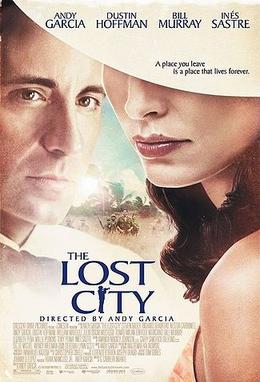
The Lost City
If you want to watch a movie that deals with the Cuban Revolution in a truthful way, then please check out The Lost City. Andy Garcia plays the lead role, but Bill Murray and Dustin Hoffman have also important characters. It's a wonderful movie, one that is beautiful and sad, just like Cuba's history. Please, check it out.
 Photo courtesy of Wikipedia
Subscribe to:
Posts (Atom)